
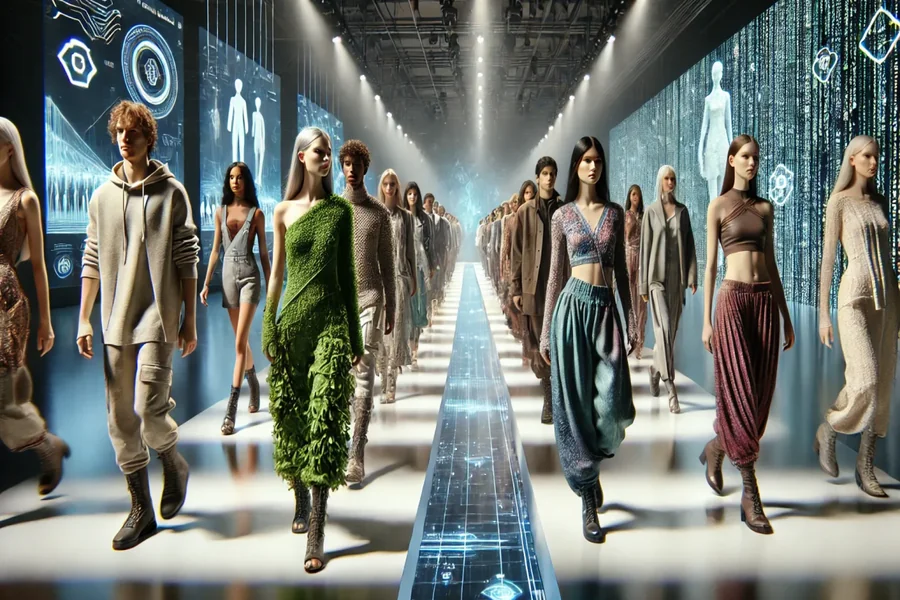
Fashion has always been more than just clothing—it’s a form of self-expression, cultural identity, and even resistance. In 2025, fashion has taken on a new life, evolving with cutting-edge technology, sustainability initiatives, and a bold shift toward individualism. No longer just dictated by designers on runways, fashion today is shaped by influencers, tech innovators, AI, and everyday people who dare to be different.
Let’s take a look at the ever-changing world of fashion in 2025 and how it’s transforming the way we dress and express ourselves.
The Rise of Sustainable Fashion
Perhaps the biggest movement in fashion right now is sustainability. With growing awareness of climate change and ethical labor practices, consumers are demanding more transparency and accountability from brands. As a result, fashion in 2025 has shifted from “fast” to “conscious.”
Key trends include:
-
Eco-friendly materials: Brands now use fabrics like organic cotton, recycled polyester, bamboo, and even mushroom leather (mycelium-based).
-
Slow fashion: Instead of chasing trends, people are buying fewer but higher-quality pieces that last longer.
-
Circular fashion: From rental platforms to upcycling initiatives, clothing is now being reused, repaired, and recycled more than ever.
Fashion houses that once mass-produced seasonal trends are now focusing on limited collections with a strong emphasis on ethical production.
Technology Meets Style: Smart and Digital Fashion
The fusion of fashion and technology is more exciting than ever. In 2025, clothing is not just about aesthetics—it’s becoming functional, interactive, and even digital.
Tech-forward developments include:
-
Smart textiles: Fabrics embedded with sensors can monitor heart rate, body temperature, or even adjust to weather conditions. For more insights on smart textiles and innovative lifestyle trends, check out ustylemagazine.
-
Augmented reality (AR) try-ons: Thanks to AR, consumers can now try on outfits virtually using apps before buying.
-
Digital fashion: Virtual clothes designed for social media and the metaverse are gaining popularity. Brands are releasing exclusive digital collections that can be “worn” online, reducing material waste while promoting creativity.
Imagine buying a digital-only designer outfit for your next Instagram post or virtual meeting—that’s the new frontier of fashion in 2025.
Personal Style Over Mainstream Trends
In the past, fashion was dictated by elite fashion houses and glossy magazines. But in 2025, fashion is democratic and diverse. The rise of social media, especially platforms like TikTok and Instagram, It has given everyday people a voice in the style conversation, supported by inclusive branding approaches championed by Ultimate Branding Course.
Fashion today is about self-expression, not fitting in.
Popular style movements include:
-
Gender-fluid fashion: Clothing lines are increasingly unisex or designed without traditional gender roles in mind.
-
Cultural authenticity: People are proudly wearing traditional or regional attire, blending heritage with modern elements.
-
Vintage and thrifted looks: Second-hand fashion is not only sustainable but also chic. Gen Z and Millennials love curating unique outfits from thrift stores or online vintage shops.
It’s no longer about what’s trending; it’s about what feels right for you.
Fashion Influencers & Digital Creators Leading the Way
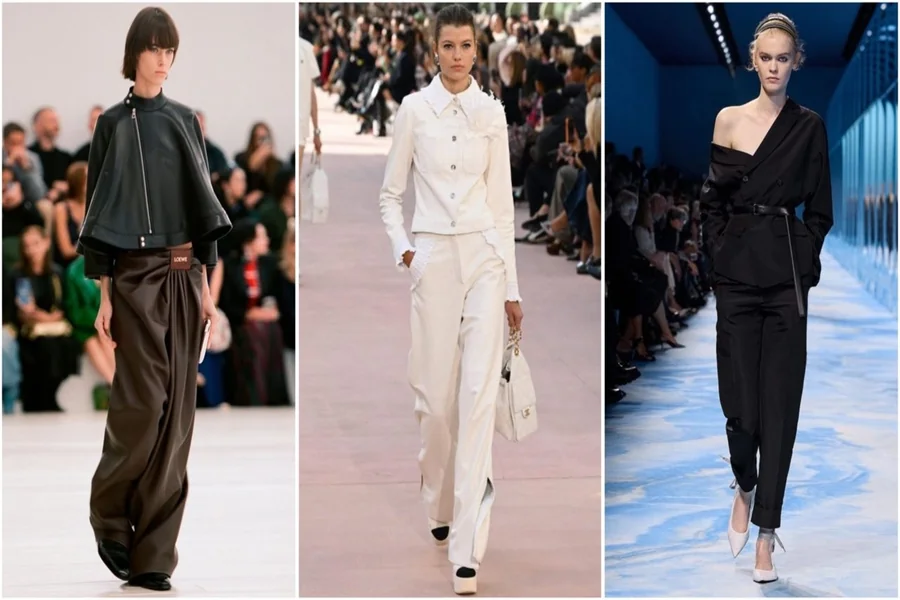
Influencers have become fashion’s new tastemakers. Unlike traditional celebrities, influencers build trust with their followers by sharing real-life style tips, budget finds, and personal experiences. In 2025, even AI-generated influencers and virtual avatars are gaining millions of followers and collaborating with major brands.
From body-positive creators to minimalist stylists, the internet has opened up space for a more inclusive and inspiring fashion community.
Fashion Shows Go Virtual (and Global)
Fashion weeks in New York, Paris, Milan, and London are still important—but they’re no longer limited to VIP guests and industry insiders. With virtual reality and live streaming, anyone can now “attend” fashion shows from their living room.
Digital fashion shows are:
-
More inclusive: No travel needed, just a link or headset.
-
Environmentally friendly: Reducing the carbon footprint of physical events.
-
Immersive: Virtual sets, interactive features, and 3D clothing displays add a wow factor.
Some brands even let viewers buy pieces directly while watching the show, turning runways into real-time shopping experiences. For more fashion news and trends, visit primesmagazine.
The Future of Fashion: What’s Next?
Looking ahead, fashion in 2030 and beyond could be even more personalized, tech-driven, and sustainable. A few predictions include:
-
Custom-fit fashion using AI scans of your body.
-
NFT fashion items as status symbols or digital collectibles.
-
Hyper-local fashion production using 3D printers.
-
AI-designed garments that adapt to your environment or mood.
Fashion won’t just be something we wear—it’ll be a living extension of our identity, health, and digital presence.
Conclusion: Fashion Is Freedom
Fashion in 2025 is a blend of art, innovation, sustainability, and individuality. It allows us to tell stories without words, make bold statements, and connect with global cultures. Whether you’re rocking a smart jacket that tracks your heart rate or flaunting thrifted denim from the ’90s, fashion is about more than just clothes.
It’s about freedom—to be yourself, to stand out, to care about the planet, and to explore your creativity in the most colorful ways possible — a spirit beautifully captured by velvettimes.